
Is Your Back Pain Inflammatory?
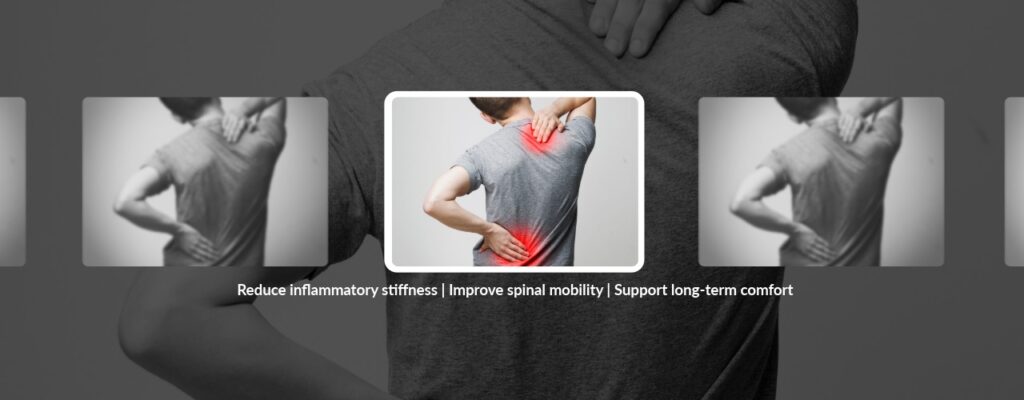
Back pain is one of the most common health complaints, but not all back pain is the same. While many cases come from muscle strain, posture, or injury, some are caused by inflammation in the spine or joints. This type, known as inflammatory back pain, often feels different and requires a different approach to diagnosis and treatment.
If you’ve been dealing with persistent discomfort, use this checklist to help determine whether your pain could be inflammatory rather than mechanical. Then, schedule an appointment with the team at ARC Physical Therapy to get the tailored care you need.
Ten Questions to Determine if Your Back Pain is Inflammatory
1. Did Your Pain Start Gradually, Not Suddenly?
Inflammatory back pain usually develops slowly over time rather than appearing after a specific injury. You might notice mild stiffness or soreness that gradually worsens over weeks or months.
By contrast, mechanical back pain (from lifting, twisting, or straining) tends to start suddenly and is easier to link to a specific event (like helping your friend move).
2. Is Your Pain Worse in the Morning or After Rest?
A hallmark sign of inflammatory back pain is morning stiffness that lasts more than 30 minutes. You may wake up with tightness or aching in your lower back that improves as you move throughout the day.
In contrast, pain from overuse or strain usually feels worse after activity, not before.
3. Does Movement or Exercise Help You Feel Better?
Unlike most other forms of back pain, inflammation-based pain often improves with movement. Gentle exercise, stretching, or even a walk can ease discomfort. If your pain improves as the day goes on or after activity, inflammation could be the underlying cause.
4. Do You Have Nighttime Pain That Wakes You Up?
People with inflammation-related back pain often experience pain during the night, especially in the second half of sleep. They might wake up feeling stiff or uncomfortable, but they feel relief once they get out of bed and start moving.
Night pain that consistently disrupts sleep is one of the clearest red flags for an inflammatory source.
5. Has the Pain Lasted More Than Three Months?
Chronic, ongoing pain that lasts longer than three months without a clear cause is another key indicator of inflammation. While acute injuries tend to heal within weeks, inflammatory back pain can persist or fluctuate for years without proper treatment.
6. Are You Younger Than 45?
Inflammatory back pain often starts before age 45, especially in individuals in their 20s or 30s. It can be an early symptom of conditions like ankylosing spondylitis or other inflammatory arthritis disorders that affect the spine.
If your back pain started young and hasn’t improved with standard care, inflammation could be a factor.
7. Do You Have Pain in the Buttocks or Hips That Alternates Sides?
Inflammation in the sacroiliac joints (where the spine meets the pelvis) often causes deep pain in the buttocks or hips. The discomfort may switch from one side to the other over time, a common sign of inflammatory back conditions.
8. Do You Have Other Inflammatory Symptoms?
Because this type of back pain can be part of a larger autoimmune process, you might notice other symptoms, such as:
- Eye irritation or redness
- Digestive issues (like inflammatory bowel disease)
- Skin conditions such as psoriasis
- Fatigue or general stiffness in other joints
If multiple systems are affected, it’s important to seek medical evaluation.
9. Does Rest Make Your Pain Worse Instead of Better?
People with inflammatory back pain often report that long periods of sitting or lying down make their pain worse. Inactivity allows inflammation to build up in the joints, leading to more stiffness and discomfort.
If rest doesn’t help (or actually makes the pain worse), that’s another sign that the condition could be inflammatory.
10. Has Traditional Back Pain Treatment Failed?
If pain relievers, stretching, massage, or rest haven’t made much difference, it may be because the underlying issue isn’t mechanical. Inflammatory pain often requires targeted treatment, including physical therapy, lifestyle changes, or medication prescribed by a specialist.
Our Team Is Here to Help You Find Relief
If several of these checklist items apply to you, schedule an appointment with ARC Physical Therapy! Our physical therapists can evaluate your symptoms, perform movement assessments, and refer you to a rheumatologist if needed for further testing.
Early diagnosis and management are essential for preventing long-term spinal stiffness, reducing inflammation and pain, and improving your overall quality of life.
Inflammatory back pain can be subtle at first, but the signs are often distinct from everyday muscle or posture-related discomfort. If your back pain improves with movement, worsens with rest, or keeps you up at night, it’s time to dig deeper.
With the right diagnosis and a personalized treatment plan, you can take control of your symptoms and move toward lasting relief.