


How Physical Therapy Can Help Sports Injuries This Spring
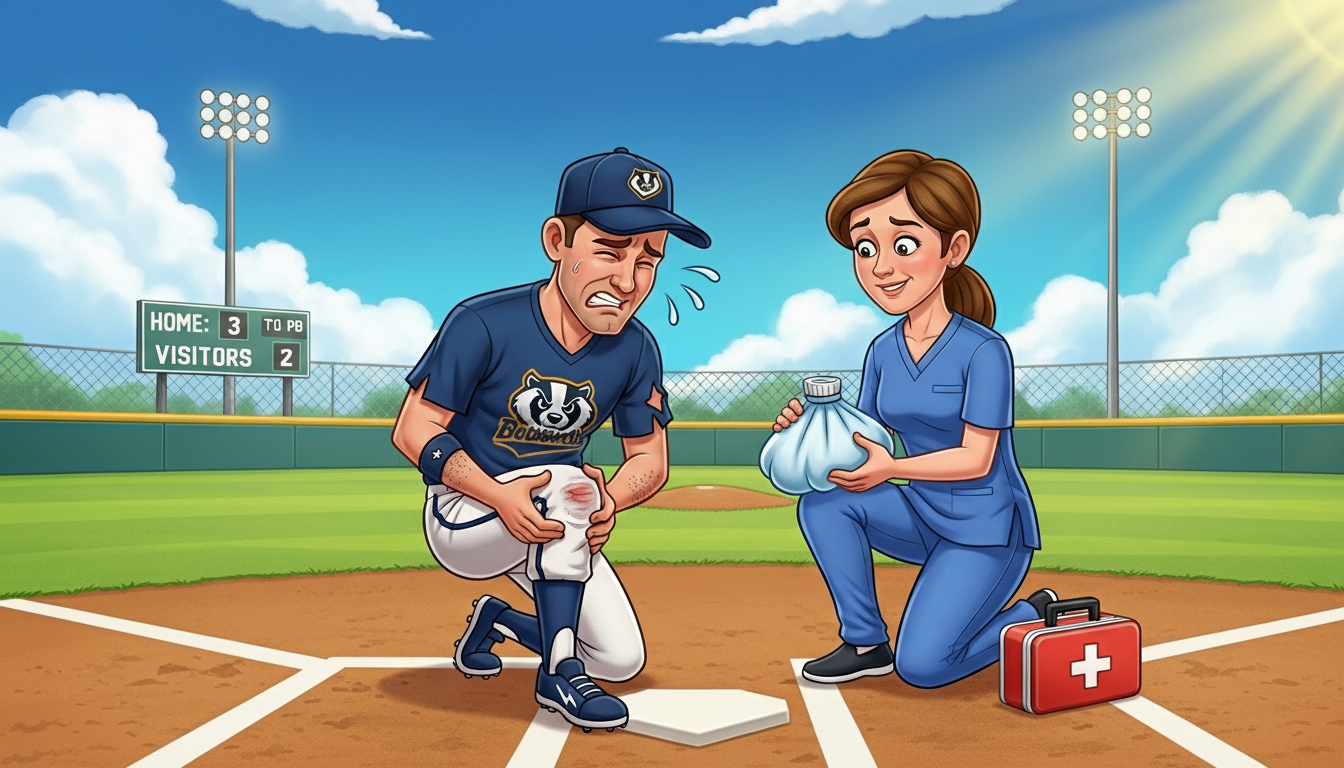
At ARC Physical Therapy, we are experienced in dealing with all spring sports season injuries and can give you the programs to prepare you for the season and prevent new injuries! Are you looking forward to getting out on the courts? Do you look forward to golf or the start of baseball/softball season?
The winter seasons can be sedentary and lead to more aches, pains, and discomfort than one may think. Fortunately, the warm weather is a great time to get outdoors and play sports.
If you find yourself in pain from a throwing injury or a bad swing of the club or racquet this spring, or you’d like to discuss ways you can get in shape to prevent any injury, don’t hesitate to contact ARC Physical Therapy.
Whether you are a young athlete or have played sports for decades, our physical therapists know how to treat your injuries and get you back in the game.
Common Causes of Sports-Related Injuries
Injuries are a part of sports, but you can resolve them quickly and get back to doing what you love with a proactive approach to rehabilitation. Most athletes learn that taking care of issues when they are small leads to a faster recovery.
Many people think sprains and strains are the same, but they describe damage to different tissues. Tendons are tissues that connect muscles to bones, and ligaments are tissues that connect bones to the bone.
- Sprains occur when a ligament is stretched beyond its limits or torn.
- Strains occur when a tendon is stretched beyond its limits or torn.
Sprains are typically the result of a trauma, a deceleration (slowing down) movement, or a sudden change in direction. The most common symptoms include pain, inflammation, muscle spasm, and sometimes an inability to move the joints where the injury occurred.
Ankle sprains are often the result of a faulty step while running or stepping on uneven terrain. The injury occurs when the ankle rolls, twists, or turns awkwardly to the outer aspect of the ankle (i.e., lateral ankle sprain). This sudden stretch leads to partial or complete tearing of the ligaments supporting the ankle joint. The severity of the injury will determine the degree of pain, inflammation, and ability to move the joints where the injury occurred.
Approximately 85% of ankle sprains are inversion sprains (i.e., rolling outward). This injury damages the outside (lateral) ligaments and may lead to restrictions on how the joint moves. The joint restrictions will, in turn, affect the athlete’s ability to tolerate running and jumping and may also lead to chronic ankle instability and new injuries that impact an athlete’s ability.
It is important to note that it is in your best interest to have a physical therapist make sure a sprain is fully healed before returning to your normal level of physical activity. Regardless of the type and nature of your sports injuries, our team can help!

What to Expect from Physical Therapy
The overall goal of physical therapy is healing and prevention. In addition to treating the injury, our physical therapists will help resolve any pain, restore motion and strengthen the affected area to prevent additional injury.
An effective rehabilitation program depends on a thorough history to understand the exact nature of the injury and the athlete’s goals. We use the information gathered in the initial evaluation to identify the underlying condition and pathology of the symptoms.
The initial stages of physical therapy will focus on restoring any lost motion, reducing the swelling, and using all available treatments to alleviate any pain you may experience.
Your physical therapist will incorporate manual techniques and modalities to reduce pain and inflammation before initiating active rehabilitation. Our programs focus on correcting dysfunction and/or improper technique and equipment.
Dysfunctional movement patterns can last for years, leading to re-injury and other injuries. Our therapists will design a comprehensive program that includes restoring range of motion, strengthening, neuromuscular control, proprioceptive responses, and sports-specific exercises. We will look for any changes in your gait pattern that may make it difficult for you to move around freely.
Our physical therapists will show you therapeutic exercises to address any underlying issue, such as a weakness that may be contributing to altered movement patterns, balance issues, and overall susceptibility to more injuries. We will perform a comprehensive assessment to ensure we provide the tools you need to enjoy the sport you love!
Contact ARC Physical Therapy To Schedule An Appointment
We will work with you at ARC Physical Therapy to accommodate your needs by providing the most advanced rehabilitation strategies and injury prevention programming.
For more information, contact us today!
Sources: https://jfootankleres.biomedcentral.com/articles/10.1186/s13047-021-00480-w, https://www.ncbi.nlm.nih.gov/pmc/articles/PMC6602402/, https://www.ncbi.nlm.nih.gov/pmc/articles/PMC3103112/, https://www.jospt.org/doi/full/10.2519/jospt.2018.7426
Exercise of the Month
Thoracic Mobility Exercise
For this exercise, you will need a rolled-up towel or something of similar size. Place it on the ground and lie back over it with your hands clasped behind your head. Gently arch your upper back over the towel to stretch your chest and improve the mobility of your thoracic spine. Thoracic spine and rib mobility are vital for proper body mechanics, this exercise is especially beneficial for throwers, golfers, and tennis or pickleball players.
Explore Fitness Options at The
Medical Gym at ARC!
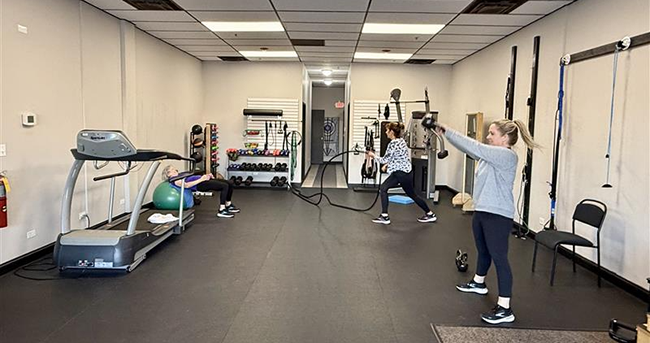
The Medical Gym at ARC offers a variety of workshops, small group training, one-on-one sessions, and monthly membership options!
Check out our current schedule with more to come — and lots of fun!
Upcoming Workshops & Events
Building Better Balance
Saturday, March 14th — 10:30 AM
Yoga for Pelvic Floor
Saturday, March 28th — 10:30 AM
Managing Menopause
Saturday, April 25th — 10:30 AM
Women’s Beginning Strength Training
Saturday, May 30th — 10:30 AM
For more information, contact Alex Bohnstedt,
exercise physiologist, at 630-323-8646 or by
email at abohnstedt@arc-rehab.com
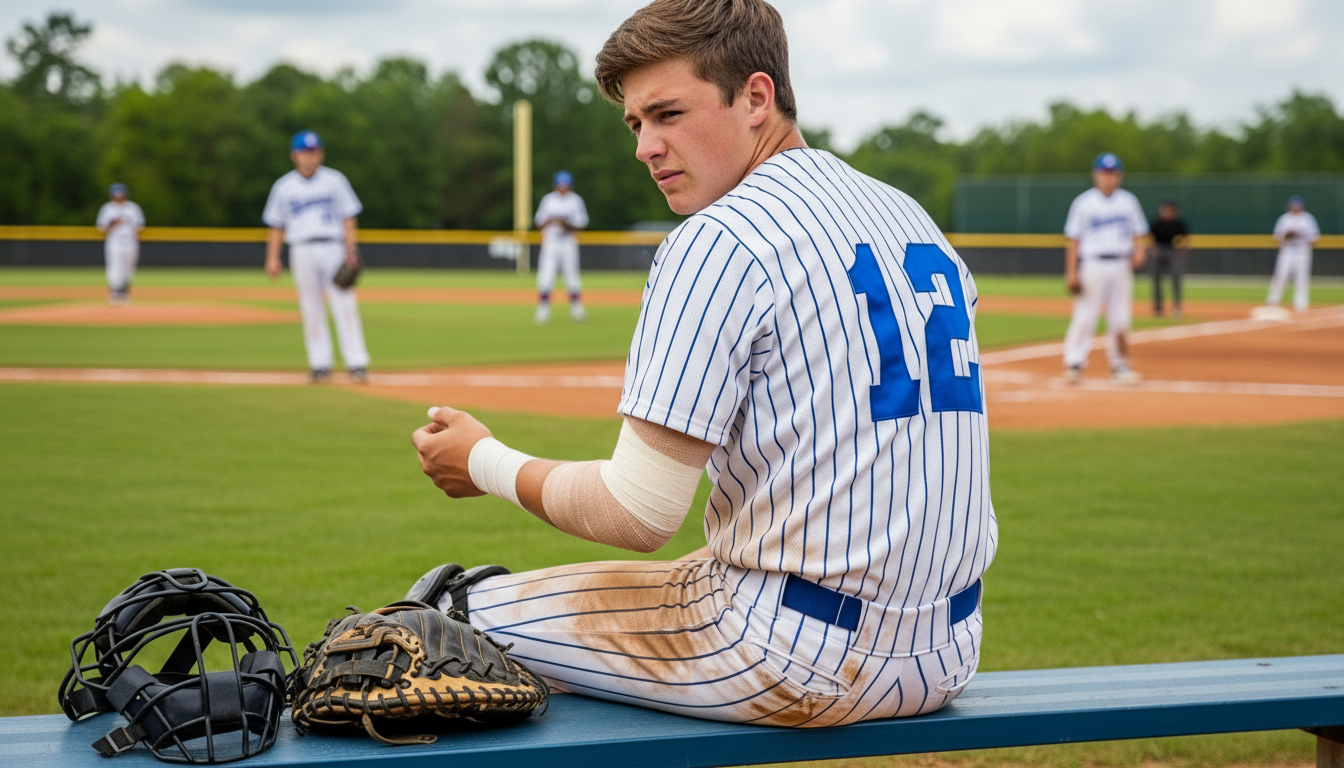
Get Back in the Game: How Physical Therapy Helps with Sports Injuries
Whether you’re hitting the links, swinging a bat, or smashing a pickleball, staying active in your favorite sports is rewarding, but it can also lead to injuries. From golfers’ and baseball players’ shoulders to pickleball elbows, these repetitive movements put stress on muscles, joints, and tendons. The good news? Physical therapy can help you recover, prevent future injuries, and even improve your performance.
Physical therapists are experts in movement and musculoskeletal health. They start by assessing your injury, identifying the root cause, and designing a customized treatment plan. For golfers, this might include exercises to improve shoulder and hip mobility. Baseball and softball players often benefit from strengthening and stabilizing exercises for the rotator cuff and core. Pickleball players may need therapy focused on elbow, wrist, or knee health.
Treatment goes beyond just pain relief. Your therapist can teach proper mechanics, stretches, and strengthening exercises to reduce strain on vulnerable areas. Hands-on techniques, like manual therapy and targeted soft tissue work, can help speed healing and restore mobility. For many athletes, physical therapy also includes return-to-sport programs that gradually build strength and confidence, so you can safely get back to the game you love.
Don’t let a sports injury bench you longer than necessary. With the right physical therapy plan, you can recover faster, move better, and play smarter, keeping you active on the course, diamond, or court.
Recipe of the Month: Halibut Tacos with Mango Salsa & Lime Crema

Fresh halibut tacos with crisp cabbage, cooling lime crema, and bright mango salsa with avocado, cilantro, and red onions, all held together by a perfectly steamed corn tortilla and topped with hot sauce.
For the lime crema:
- 1/3 cup sour cream
- juice of half a lime
- 2-3 tablespoons milk (until thin enough to drizzle)
- 1 teaspoon taco seasoning
- 1-2 teaspoons hot sauce (like Tapatio), to taste
- salt to taste
For the mango salsa:
- 1 ripe mango, cubed
- 1 ripe avocado, cubed
- 1/3 cup red onion, minced
- 1/3 cup cilantro, chopped
- juice of half a lime
- salt to taste
For the halibut:
- 1 1/2 pounds halibut fillets
- 2 tablespoons taco seasoning
- avocado, or canola oil
To assemble the tacos:
1 dozen corn tortillas, steamed
shredded cabbage
lime wedges
Tapatio hot sauce
In a medium bowl, gently stir together the mango, avocado, red onion, cilantro, and lime. Season to taste and set aside.
Pat the halibut fillets dry with paper towels. Season the fillets generously on both sides with taco seasoning and salt. Place a large skillet over medium-high heat. Swirl with avocado or canola oil. Sear the halibut until cooked medium to medium-well (being careful not to overcook and dry out the halibut). Cooking time will depend on the thickness of your fillets (mine were thinner and only required 3 minutes per side). Remove the halibut from the heat and break the fish into large flakes.
To assemble the tacos: place a steamed corn tortilla on a plate. Top with flaked halibut, followed by a handful of cabbage, a drizzle of lime crema, and a spoonful of mango salsa. Serve with Tapatio hot sauce and serve promptly.







Let’s Get You Better ASAP!
Don’t let pain dictate your life. Take the first step towards reclaiming your mobility and well-being with our expert support. Start your journey to a healthier you today.